
Mental health plays a pivotal part in our overall well-being. Yet, for numerous residents in Florida, penetrating affordable internal health care remains a challenge. Whether it’s due to high costs, lack of mindfulness, or limited coffers, too many people are left without the support they need. Fortunately, several options exist to help Floridians get the care they earn without breaking the bank.
In this blog, we’ll explore the current internal health geography in Florida, figure out cost-effective care results, and answer common questions to guide you toward better internal heartiness.
Mental health is just as important as physical health. In fact, undressed internal health conditions can lead to poor physical health issues, simulated connections, and reduced quality of life. Conditions similar to depression, anxiety, PTSD, and bipolar disorder are common, yet numerous people go untreated due to stigma or lack of access.
According to the Florida Behavioral Health Association, nearly 2.8 million grown-ups in Florida live with an internal health condition. Alarmingly, over half of them don’t admit the care they need.
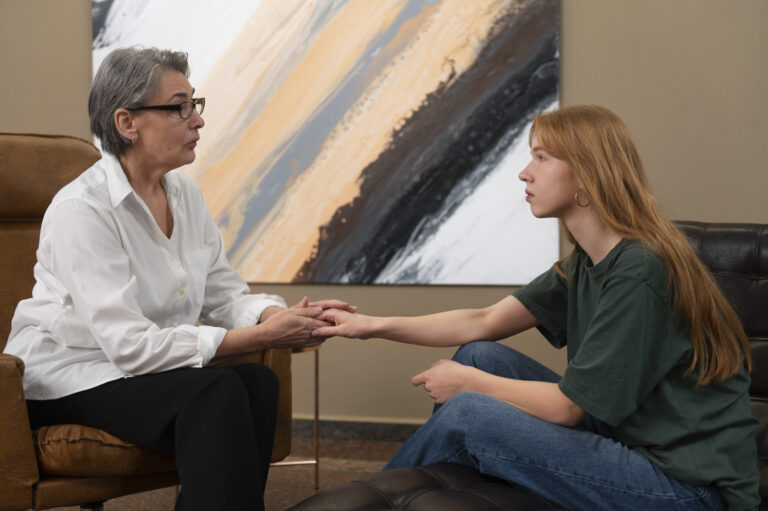
Despite growing awareness, many Floridians still face barriers when trying to access mental health services. these include:
So, how can you or a loved one find affordable help?
Let’s explore some solutions.
Community mental health centers (CMHCs) are nonprofit organizations funded by the state or federal government. They offer services on a sliding scale based on income, making them an excellent option for low-income families. services often include:
FQHCs are another valuable resource. These centers provide primary care, including behavioral health services, at reduced rates. They serve all patients, regardless of their ability to pay, and are ideal for uninsured or underinsured individuals
The Florida Department of Children and Families (DCF) offers public mental health services for adults and children. These services are generally available to residents with low income and those enrolled in Medicaid. you can learn more and apply through the Florida DCF website.
Additionally, Florida 211, a free helpline, connects people with mental health resources in their area. by simply dialing 211, you can get assistance tailored to your needs.
In recent years, telehealth has made mental health services more accessible than ever. Virtual therapy sessions allow patients to receive care from the comfort of their homes, often at lower rates than in-person visits.
Several Florida-based providers now offer online counseling and therapy, including:
These platforms typically provide subscription-based plans, making them predictable and budget-friendly.
Some private therapists offer a sliding fee scale based on a client’s income and financial situation. While these services may not be widely advertised, websites like Open Path Collective and TherapyDen allow you to search for affordable care providers in your region.
Florida is home to many universities with graduate psychology programs. hese schools often operate low-cost mental health clinics where students provide therapy under professional supervision. examples include:
These clinics offer affordable, evidence-based care that benefits both the student therapists and the community.
Support groups offer peer-led mental health support at little to no cost. organizations like the National Alliance on Mental Illness (NAMI Florida) and Mental Health America of Southeast Florida offer:
Support groups can provide emotional support and practical tips in a nonjudgmental setting.
Florida’s Medicaid program includes behavioral health benefits, which cover therapy, psychiatric visits, and medication for qualifying individuals. In addition, under the Affordable Care Act, most insurance plans must offer mental health coverage equal to physical health coverage.
Still, it’s important to understand the specific mental health services covered by your insurance plan. call your provider or check their website for a list of in-network providers and benefits.
Q1: How can I find free therapy in Florida?
You can find free or low-cost therapy through:
Q2: Does Florida Medicaid cover mental health?
Yes. Florida Medicaid covers a range of behavioral health services, including therapy, psychiatric care, and medications.
Q3: Are telehealth mental health services covered by insurance?
Many insurance providers now cover telehealth services. However, coverage varies, so check with your insurance company to confirm details.
Q4: What if I don’t have insurance?
If you’re uninsured, explore options like sliding-scale therapists, FQHCs, community health centers, and university clinics. hese services provide quality care regardless of your insurance status.
Q5: How can I help a friend struggling with mental health?
Start by listening without judgment and encourage them to seek help. share resources such as 211, NAMI, and local clinics. offer to help them make the first appointment or find a support group.
Accessing mental health care in Florida may feel overwhelming at first, especially when cost is a concern. However, the good news is that there are numerous low-cost and even free services available across the state. By exploring local and state resources, embracing telehealth, and considering nonprofit or university-based providers, you can take a positive step toward mental wellness.
Remember, seeking help is a sign of strength not weakness. No matter your financial situation, you deserve support and healing. If you or someone you know is in immediate distress, call or text 988 to reach the Suicide and Crisis Lifeline.
Mental health matters every day, not just during Mental Health Awareness Month. Whether you’re navigating anxiety, depression, trauma, or any other challenge, Florida offers a variety of affordable options to support your journey. With the right resources, hope and healing are within reach.